
"metal décor"
16000 article(s) found
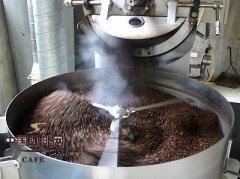
The roasting of coffee
Roasting: this heat treatment causes significant chemical and physical changes in the structure and composition of raw coffee, causing the beans to darken and emit the characteristic aroma of roasted coffee. 1. The purpose of coffee roasting the main purposes of coffee roasting are: a, aroma; B, to increase the complexity of coffee; C, to obtain color; D, to form a unique flavor of coffee. 2. Coffee roasting

Burundian Coffee Flavor with Prunus Fruit Flavor introduction to boutique coffee beans in manor production area
Formerly known as Urundi, Burundi formed a feudal kingdom in the 16th century. Since the middle of the 19th century, the forces of Britain, Germany and Belgium invaded. The long-ruled monarchy, which was conquered by Germany in 1890, listed it as the territory of German East Africa and fell under the control of the Belgian army in 1916. After World War I, the League of Nations merged Rwanda-

A brief introduction to the flavor and aroma characteristics of Burundian boutique coffee beans with fruit flavor
Characteristics of Burundi Coffee: Burundi (Burundian) has the most diverse and successful coffee industry in the world, and has its own characteristics. Burundian coffee is fragrant and has excellent acidity. Flavor: mellow taste, rich aroma, excellent acidity suggested baking method: moderate to deep baking ★★: good lake there are many hippopotamus and crocodiles, bird species

A brief introduction to the flavor, taste and aroma characteristics of Burundian coffee beans with almond aroma
Characteristics of Burundi Coffee: Burundi (Burundian) has the most diverse and successful coffee industry in the world, and has its own characteristics. Burundian coffee is fragrant and has excellent acidity. Flavor: full-bodied, full-bodied, excellent acidity Burundian coffee features: Burundi (Burundi) has the world's most varied and most successful coffee

Basic knowledge of roasting Coffee
Roasting: this heat treatment causes significant chemical and physical changes in the structure and composition of raw coffee, causing the beans to darken and emit the characteristic aroma of roasted coffee. 1. The purpose of coffee roasting the main purposes of coffee roasting are: a, aroma; B, to increase the complexity of coffee; C, to obtain color; D, to form a unique flavor of coffee. 2. Coffee roasting

A brief introduction to the market price of Burundian boutique coffee beans with mellow taste
There are two major ethnic groups in Burundi, and only about 15 percent of the Tutsi have ruled the country since the 16th century, controlling the civilian population, which is mainly made up of Hutu, plus a very small number of indigenous Twa. This abnormal social structure in which ethnic minorities occupy a high position has buried the evil seed of national instability, and in 1

Almond-scented boutique coffee beans in Burundi A brief introduction to geographical location, climate and altitude
Coffee production in Burundi: Burundian coffee is now grown only on small farms. Almost all coffee produced in Burundi is Arabian coffee beans, while coffee trees in Ngozi are planted at an altitude of more than 1200 meters. Suggested roasting method: medium to deep roasting ★★: good Burundian coffee market: Burundian coffee products are mostly exported to the United States,

A brief introduction to the Market Price of Burundian Fine Coffee Bean varieties with strong aroma
There are two major ethnic groups in Burundi, and only about 15 percent of the Tutsi have ruled the country since the 16th century, controlling the civilian population, which is mainly made up of Hutu, plus a very small number of indigenous Twa. This abnormal social structure in which ethnic minorities occupy a high position has buried the evil seed of national instability, and in 1
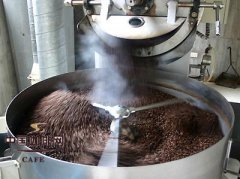
The purpose and skill of roasting coffee
Roasting: this heat treatment causes significant chemical and physical changes in the structure and composition of raw coffee, causing the beans to darken and emit the characteristic aroma of roasted coffee. 1. The purpose of coffee roasting the main purposes of coffee roasting are: a, aroma; B, to increase the complexity of coffee; C, to obtain color; D, to form a unique flavor of coffee. 2. Coffee roasting

Flavor description of Burundian Rocasta Coffee beans introduction to the treatment method of manor production area
The flavor description of Burundian rocasta coffee beans the taste of the manor-produced area introduces that there are two major ethnic groups in Burundi, and only about 15% of the Tutsi have ruled the country since the 16th century, controlling the civilian population, which is mainly made up of Hutu, plus a very rare aboriginal Twa. This kind of minority

A brief introduction to the market price of Burundian boutique coffee beans with excellent acidity
Burundian coffee market: most of Burundi's coffee products are exported to the United States, Germany, Finland and Japan. Lake Tanganyika is longitudinally striped from north to south, 670km long and only 48-70km wide from east to west. It is the narrowest lake in the world, with a surface area of about 32900 square kilometers. It is the second largest lake in Africa (the largest lake is Lake Victoria L.Victoria), with an elevation of the lake.

A brief introduction to the description of flavor, taste and aroma characteristics of fine Burundian coffee beans with excellent acidity
Burundi has the most diverse and successful coffee industry in the world, and has its own characteristics. Burundian coffee is fragrant and has excellent acidity. Flavor: full-bodied, full-bodied with excellent acidity. Burundi coffee was introduced by Belgian colonists in 1930. Unfortunately, many of these farms are engaged in frequent wars.

Nestle Coffee Company Brand Culture introduction the latest coffee brand consultation
Headquartered in Switzerland, Nestle Group is the largest food company in the world and has a long history in China. For a century, Chinese consumers have known and trusted the Nestle brand because Nestl é opened its first sales office in China in Shanghai as early as 1908 in the last century. Nestl é is one of the first foreign businessmen to enter China.

A brief introduction to the treatment method of grinding degree and baking degree of aromatic Burundian boutique coffee beans
Coffee production in Burundi: Burundian coffee is now grown only on small farms. Almost all coffee produced in Burundi is Arabian coffee beans, while coffee trees in Ngozi are planted at an altitude of more than 1200 meters. Characteristics of Burundi Coffee: Burundi (Burundian) has the most diverse and successful coffee industry in the world, and has its own characteristics.

A brief introduction to the cultivation of aromatic boutique coffee beans in Burundi, geographical location, climate and altitude
There are two major ethnic groups in Burundi, and only about 15 percent of the Tutsi have ruled the country since the 16th century, controlling the civilian population, which is mainly made up of Hutu, plus a very small number of indigenous Twa. This abnormal social structure in which ethnic minorities occupy a high position has buried the evil seed of national instability, and in 1

A brief introduction to the treatment method of grinding degree and baking degree of fine Burundian coffee beans with mellow taste
Characteristics of Burundi Coffee: Burundi (Burundian) has the most diverse and successful coffee industry in the world, and has its own characteristics. Burundian coffee is fragrant and has excellent acidity. Flavor: mellow taste, rich aroma, excellent acidity Burundian coffee features: suggested roasting method: medium to deep roasting ★★: good lake with many rivers

A brief introduction to the history and culture of the origin and development of fine Burundian coffee beans with mellow taste
Burundi coffee was introduced by Belgian colonists in 1930. Unfortunately, many of these farms are on the border with war-torn Rwanda, putting pressure on coffee production. Coffee production in Burundi: Burundian coffee is now grown only on small farms. Almost all the coffee produced in Burundi is Arabian coffee beans.
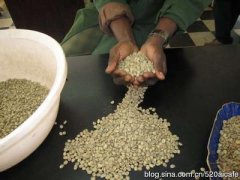
A brief introduction to the history and culture of the origin and development of fine Burundian coffee beans with excellent acidity
Burundi coffee was introduced by Belgian colonists in 1930. Unfortunately, many of these farms are on the border with war-torn Rwanda, putting pressure on coffee production. Coffee production in Burundi: Burundian coffee is now grown only on small farms. Almost all the coffee produced in Burundi is Arabian coffee beans.
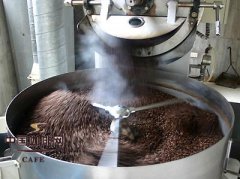
Coffee roasting boutique Coffee Learning Coffee Baking knowledge
Roasting: this heat treatment causes significant chemical and physical changes in the structure and composition of raw coffee, causing the beans to darken and emit the characteristic aroma of roasted coffee. 1. The purpose of coffee roasting the main purposes of coffee roasting are: a, aroma; B, to increase the complexity of coffee; C, to obtain color; D, to form a unique flavor of coffee. 2. Coffee roasting

A brief introduction to the treatment method of grinding degree and baking degree of Burundian boutique coffee beans with fruit flavor
Recommended baking method: moderate to deep baking ★★: good there are two major ethnic groups in Burundi, and only about 15% of the Tutsi have ruled the country since the 16th century, controlling the civilian population, which is mainly made up of Hutu, plus a very rare aboriginal Twa. Does this kind of minority occupy a high position?